Creating A Comprehensive Survival Plan
Building a survival plan helps me feel secure in uncertain times. A reliable plan is useful for natural disasters, unexpected emergencies, or even just for peace of mind if the power goes out for days. Preparing ahead means I’m not left scrambling when things don’t go as planned. In this guide, I’m going to show you how to put together an all-in-one survival plan that’s practical, organized, and fits your real-world needs.
Why an All-in-One Survival Plan Matters
I’ve seen firsthand how easily daily routines can fall apart if something like a storm knocks out electricity or roads end up blocked. An all-in-one survival plan keeps me on track no matter what comes my way. Many people assume emergencies only happen to others, but statistics from FEMA and the Red Cross show that emergencies disrupt thousands of households every year. By planning now, I give myself a real shot at protecting my family, pets, and property during unexpected events.
Getting ready means more than just keeping a flashlight and a few cans of food around. I carefully think about what could realistically affect my area, whether that’s hurricanes, wildfires, earthquakes, or floods. Customizing my planning to fit my location makes my preparations much more effective and saves me from missing critical gaps.
Understanding the Key Parts of a Survival Plan
Building a survival plan starts with tracking down which areas need the most attention. I break my plan into several core parts so I’m sure to cover everything and don’t pass over important details.
- Emergency Communication: How I reach my loved ones and get updates from local authorities if phones or internet quit working.
- Evacuation Routes and Meeting Points: Mapping out several ways to get out of my home or neighborhood, and picking a spot where everyone should meet up if separated.
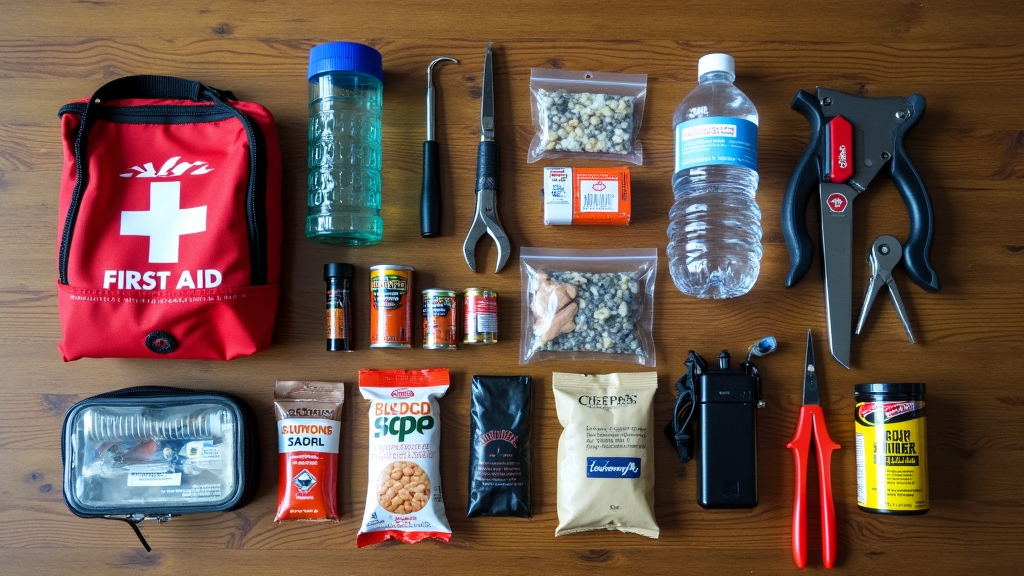
- Emergency Supplies: Assembling a kit with water, food, first aid, medication, light sources, and key documents.
- Shelter Options: Knowing where I can stay safe if my home is threatened, like a friend’s house, a public shelter, or even camping in a tent.
- Personal Safety: Steps for staying secure, such as locking doors, having self defense tools, or just steering clear of risky areas.
I keep simple checklists for each part and go over them twice a year to keep them up to date and practical.
Step-by-Step Guide to Building Your Survival Plan
Getting started can feel overwhelming, but I like to break it down step by step. Working through this checklist always helps me feel more prepared and way less anxious. Below are the main steps with some extra pointers to help you along:
- Figure Out What You’re Planning For: Make a list of emergencies most likely for your area. For me, it’s severe storms, winter blizzards, and the threat of wildfire. Others might focus on earthquakes, tornadoes, or power failures. Knowing your most probable risks helps you build a smarter plan.
- Assess What You Already Have: Pull out any first aid kits, flashlights, batteries, or canned foods already on hand. Check what’s missing or expired before buying more. This cuts down on wasted time and money.
- Make a Family Emergency Communication Plan: Everyone knows where to find emergency contact cards, who to call outside the area, and where to meet if cell phones go down. I hand out printed cards to family members and also share our info with trusted neighbors.
- Plan Evacuation Routes: Look over maps and create at least two ways to leave your home and neighborhood. Practicing driving these routes with your crew means no one has to guess directions in a true crisis. I make a habit of running through the routes with my family and even do some drives just in case.
- Stock Up Emergency Supplies: My personal checklist includes:
-
- Water (one gallon per person per day for at least three days)
- Nonperishable food (enough for three days for every member)
- First aid kit and any personal medications
- Flashlights, extra batteries, headlamps
- Battery-powered or handcrank radio
- Waterproof copies of important documents
- Multitool or sturdy pocket knife
- Personal hygiene essentials and sanitation items
- Warm clothing, blankets, sleeping bags
- Pet food and animal supplies if you have any pets
- Review and Practice the Plan: Set reminders for yourself to update supplies at least twice per year and do “test runs” for evacuation and communication. Even just practicing how to find the emergency kit can make a big difference.
As I run through these steps, I know my plan will work for my everyday life, not just for hypothetical scenarios.
Common Challenges and How to Tackle Them
Every good plan hits some bumps. A few issues tend to show up for most people, myself included, so I want to share a few ways I handle these challenges:
- Keeping Supplies Fresh: I write expiration dates on my calendar and rotate food and medicine into our regular meals. This saves money and prevents waste.
- Staying Up to Date: When a family member’s needs change, like a new medication, or when we move to a new place, I adjust my plan right away. Small updates keep everything dependable.
- Balancing Your Budget: Buying it all at once can get expensive. I space out purchases, sometimes getting basics from dollar stores. Over time, the kit fills out without a big upfront cost.
- Pets and Special Needs: Don’t skip pet food, comfort items, or unique supplies like medicine or equipment for anyone with special needs. It’s easy to forget these and realize it too late.
Emergency Communication
Losing contact with people you care about can be the hardest part of any emergency. I keep a printed phone list in my wallet and emergency kit. For safety, I keep important numbers on a waterproof note card in my car and my go bag. Two way radios can also provide backup when cell towers quit working.
Maintaining Supplies
I keep a plastic tote or old backpack for my emergency kit so it’s easy to grab if I need to leave quickly. For water, I swap stored bottles every six months, and check battery levels in flashlights when daylight saving time begins and ends. These habits help keep everything in the kit reliable and ready when I need it.
Practice and Familiarity
The best plans matter only if everyone knows what to do. I sometimes turn a family game night into a test run for finding supplies or figuring out our way to the meeting spot. Spending a few minutes on this keeps everyone sharp and confident under pressure.
Advanced Planning Tips for Different Scenarios
Once you lock down the basics, it’s time to add details for your unique situation:
Natural Disasters: For hurricane-prone areas, I keep items like waterproof tarps, rain ponchos, and duct tape handy. In earthquake zones, bolting down heavy furniture and keeping durable shoes by the bed are musts.
Extended Power Outages: I add a couple of solar chargers or power banks for phones and vital devices, as well as extra blankets to stay warm. I also stashed some books and board games to keep everyone’s mood up.
Winter Storms: For colder areas, I make space for spare socks, gloves, and a safe way to stay warm, such as a candle heater or disposable hand warmers.
Picturing how each type of emergency could play out at home really helps identify any blind spots in my plan.
Basic Survival Gear: What’s Worth Packing?
Certain items are simply essential in an emergency. I never go without these:
- Reliable flashlight & backup batteries: Headlamps mean I can use both hands, which is helpful when carrying things or working at night.
- First Aid Kit: I add extra bandages, ointment, and over the counter allergy medicine to my kit. Being prepared for minor cuts or headaches can matter a lot.
- Water purification: Tablets or a filter let me make questionable water safer to drink without much gear.
- Multitool: These are great for repairs, food prep, or dozens of small tasks.
- Emergency Shelter: I keep a tiny tarp and at least one space blanket in my kit. They take hardly any room and could save the day if I lose access to my house or car.
Getting comfortable with all of this gear before it’s stowed away is important. Practice using new gadgets so they don’t slow you down in the real deal.
Frequently Asked Questions
People usually want quick answers as they put their own plans together. Here are some common questions I get:
Question: How often should I review my survival plan?
Answer: I aim for twice a year. Changes in family, health, new homes, or the seasons always mean my plan needs tweaks now and then.
Question: How much water and food do I need to store?
Answer: The rule of thumb is one gallon per person per day for water, for at least three days. I try to keep food for three to seven days, especially if I live far from grocery stores or a storm could make it hard to resupply.
Question: What’s the most important thing aside from storing supplies?
Answer: Easy communication makes a world of difference. If I can’t reach my family or help, having food and gear won’t solve everything. I focus on a clear communication plan everyone knows by heart.
Start Your Survival Plan Today
Having a survival plan is really about thinking ahead and chipping away at the to-do list at your own speed. I find that small steady steps—like jotting down an emergency contact or picking up a couple more cans of food—soon add up. Being ready gives me peace of mind and the confidence to handle tough, unpredictable situations without panic.